
3 Best Bond Repair Treatments for Bleached Hair
If you’re managing bleached hair, choosing the right bond repair treatment is essential to restore strength and shine. Options like pre-shampoo treatments, leave-in oils, and deep conditioners each target different aspects of damage, including bond rebuilding and moisture replenishment. Knowing how these products work and their proper application can help you achieve healthier, more resilient hair. Exploring the top treatments available can guide you toward the most effective solution for your needs.
LOreal Paris Sulfate-Free Bond Repair Pre-Shampoo Treatment
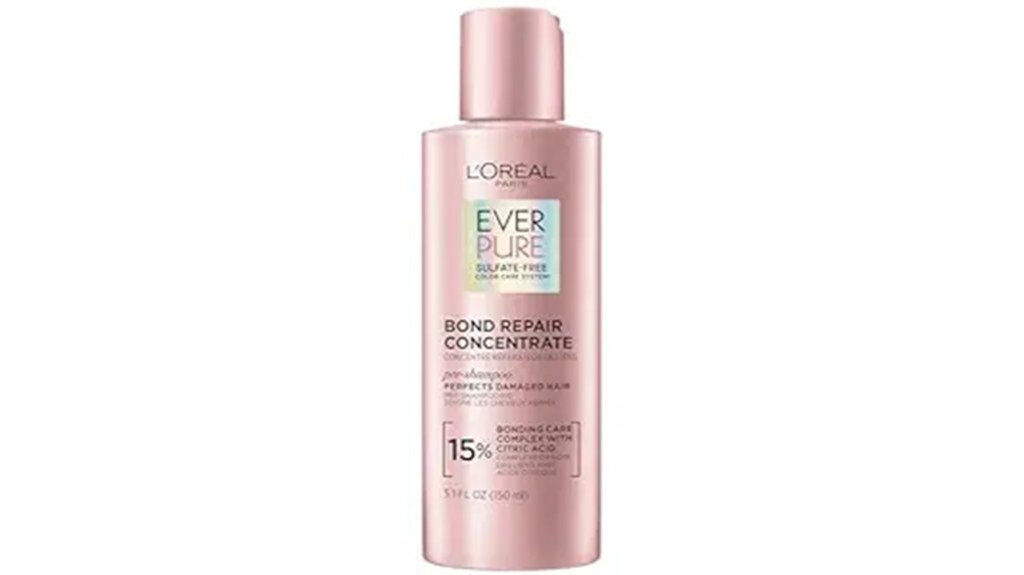
If your hair is bleached or treated with chemicals, it can feel dry, fragile, or look dull. The L’Oréal Paris Sulfate-Free Bond Repair Pre-Shampoo Treatment can help. It has citric acid, which goes into the hair to fix broken bonds. These bonds get damaged from coloring, heat from styling tools, or bad weather.
Using this treatment before you wash your hair makes it stronger. It can help reduce breakage and make your hair easier to manage. It prepares your hair for a deeper clean and helps your conditioner work better. This product works well on all kinds of hair, especially if your hair is damaged or processed. With regular use, your hair can look smoother and shinier over time.
This pre-shampoo treatment is best for people with bleached, colored, or damaged hair who want to make their hair stronger and shiny again.
Pros:
- Fixes broken bonds from coloring and heat
- Works for all hair types, thick or curly hair included
- Free from harsh chemicals like sulfates and parabens, so it is gentle
Cons:
- Comes in a small bottle, so you might need to buy it often
- Make sure to rinse well, or hair might feel dry or heavy
- The results don’t last forever; you need to use it regularly for the best results
Olaplex No. 7 Bonding Oil, High Shine Heat Protectant (1 fl oz)
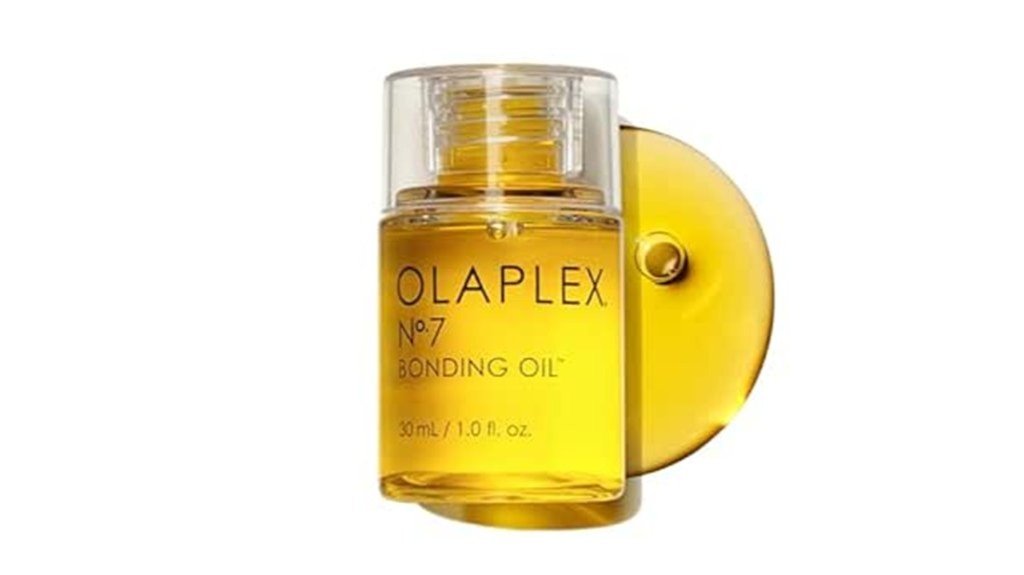
Olaplex No. 7 Bonding Oil is a great product if your hair is damaged from bleaching or coloring. It does multiple jobs in one bottle. It helps fix broken hair, makes your hair shiny, and protects it from heat when you style it.
This oil makes hair softer and smoother. It helps curly or coarse hair look sleeker. It also adds extra shine and fills in damaged spots to make your hair stronger. If your hair gets frizzy in humidity, this oil helps control that too. It keeps your hair looking neat all day long, whether you use a blow dryer or flat iron.
This product works for all hair types. You only need a small amount each time. Because it’s concentrated, one bottle lasts a long time. It is a good buy if you want shiny, healthy, and protected hair without using many products.
Best For: People with damaged, bleached, or colored hair who want a product that makes their hair shiny, strong, and easy to manage.
Pros:
- Makes hair soft, shiny, and easy to manage.
- Protects hair from heat and fights frizz.
- Small amount goes a long way; the bottle lasts months.
Cons:
- It costs a little more than some other products.
- Some users think it smells strange or too strong.
- If you put too much on fine hair, it can make hair look greasy or heavy.
Olaplex No. 7 helps your hair stay healthy, shiny, and strong. It’s simple to use and works well for many hair types. Just use a little, and enjoy your beautiful hair every day!
Nexxus Intense Bonding Treatment with Amino Acids & Keratin, 5 oz
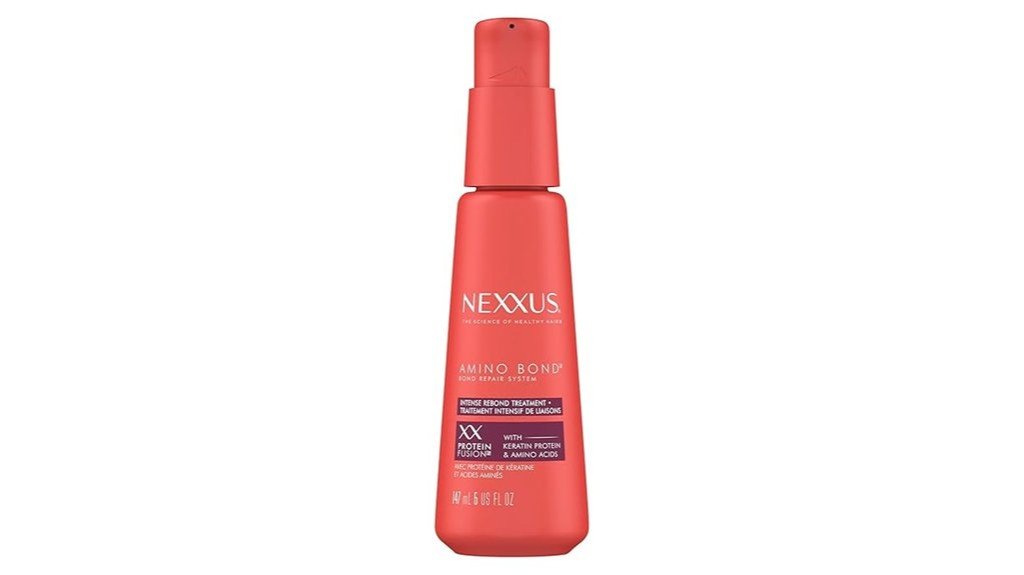
The Nexxus Intense Bonding Treatment with Amino Acids and Keratin helps fix damaged hair fast. It works best on hair that has been bleached or treated with chemicals. When hair gets color done, it can break and become weak. This treatment builds new bonds inside the hair and heals broken ones. It helps make hair stronger and less fragile.
The treatment goes deep into the hair using five amino acids and keratin. It helps your hair stay moist, shiny, and elastic. It is safe for all hair types. It is a good choice if you want to keep your hair healthy over time.
To use, shampoo and condition your hair first. Then, apply the treatment. It works in just a few minutes. With regular use, your hair can become healthier and stronger.
Best for: People with bleached or chemically treated hair who want fast repair and protection.
Pros:
- Fixes up to five types of damage quickly
- Penetrates deep to strengthen hair
- Good for all hair types and helps keep hair healthy
Cons:
- May take several uses for very damaged hair
- Results depend on how damaged your hair is and how often you use it
- You may need to use this regularly for best results
Factors to Consider When Choosing Bond Repair Treatments for Bleached Hair
When selecting a bond repair treatment for bleached hair, it’s important to assess the level of damage your hair has sustained to choose a product that provides adequate strengthening without causing further stress. You should also consider the ingredients’ effectiveness, ensuring they target bond restoration specifically while being compatible with your hair type. Additionally, paying attention to application frequency, product texture, and feel will help you find a treatment that fits seamlessly into your hair care routine and delivers consistent results.
Hair Damage Severity
To decide how bad your hair is damaged from bleaching, you need to look and feel carefully. Check how your hair feels. If it feels rough or easily breaks, it means more damage. If it feels soft and flexible, your hair is less damaged. Look at your hair’s color and shine. Discolored or see-through hair shows significant damage. Do a gentle tug test. If your hair breaks or feels fragile, it’s damaged. When your hair is very frizzy or has lost its color, this means the damage is serious.
Based on the damage, choose a treatment that fits. Less damaged hair needs lighter repair products. More damaged hair needs stronger treatments that fix internal bonds. Using the right treatment helps your hair get stronger again. Stronger damage needs more intensive repair to bring back health and shine.
Ingredient Effectiveness
Choosing the right bond repair treatment is important for fixing damaged hair. Look for products with ingredients like amino acids and keratin. These help rebuild broken bonds and make hair stronger. Citric acid is also good because it can get inside the hair and repair it from within.
Use products with bond-building molecules that are proven to work. These help fix many types of damage at the cell level. Essential amino acids are important because they support your hair’s natural keratin. This helps repair weak bonds and makes hair more resilient.
Check the product label. Make sure it is sulfate-free and doesn’t contain harsh chemicals. These safe choices will protect your hair more and prevent extra damage. When you pick a treatment with these ingredients, you’ll help restore your hair’s strength and shine.
Application Frequency
The way you apply bond repair treatments is very important. It helps your hair recover and stay healthy. For damaged, bleached hair, doing treatments 1 to 3 times a week works best. How often you use them depends on how damaged your hair is. If you use these treatments too much, they can build up on your hair or make fine hair feel heavy. So, always follow the instructions on the package.
If your hair is very damaged from chemicals or heat, you might need to use the treatments more often at first. As your hair gets stronger, you can reduce how often you use them. Using these treatments regularly over several weeks gives the best results. They help rebuild bonds in your hair and make it stronger.
After using the treatment, rinse your hair well. Follow with a conditioner to keep your hair clean and healthy. This helps prevent extra buildup and makes sure the treatments work their best. Taking care of your hair like this keeps it strong, shiny, and healthy.
Hair Type Compatibility
When choosing bond repair treatments for bleached hair, it’s important to know your hair type. Different hair types need different products to work well. If your hair is thick or coarse, use a stronger treatment and leave it on longer. This helps the product get inside and fix your bonds better.
If your hair is fine or oily, pick a lightweight, non-greasy formula. Heavy treatments can weigh your hair down or make it look greasy. For curly or textured hair, look for products that add moisture and strength. These help keep your curls looking nice and reduce frizz.
Knowing how porous your hair is and how damaged it is can help you choose the right treatment. It makes sure your hair gets fixed without losing its natural movement or shine. By picking the right product for your hair type, you give your hair the best care possible.
Product Texture and Feel
Product texture and feel are important because they affect how well a bond repair treatment works and how nice it is to use. The texture can be like a light oil, a creamy serum, or a gel. Each type spreads and absorbs differently. Heavier formulas, like butter-like creams, can give more conditioning. But if you use too much, they might weigh down fine or oily hair.
When you apply the product and it feels smooth and non-greasy, it shows the formula is right. This helps you spread it evenly and avoid any leftover residue. Gel or gel-cream textures often feel cool or soothing on the scalp, making the treatment more comfortable to use.
After applying, the way the product feels on your hair is just as important. A silky, soft finish makes your hair easier to manage. It also makes your hair look shiny and healthy. In short, the right texture and feel can make your bond repair treatment more effective and more enjoyable to use.
Bond Repair System
Choosing the right bond repair system for bleached hair is important. First, pick a system that has three parts: a pre-treatment, a shampoo, and a conditioner. These three products should work together to fix your hair.
Look for ingredients like amino acids, keratin, or citric acid. These help rebuild the damaged parts inside your hair. They make your hair stronger and less likely to break.
Make sure the product is proven to work. It should target different types of damage. Look for products made by trusted brands.
Follow the instructions carefully. Rinse your hair well after applying the products. Use the system regularly. That helps your hair get better over time.
A good bond repair system can make your hair stronger, more elastic, smooth, and shiny. This is especially helpful after bleach or color treatments.
When choosing a bond repair system, keep these points in mind. They help you find the best products for healthier hair.
Price and Value
When picking a bond repair treatment, it’s important to think about the cost and value. Look for products that give good results without costing too much. Check if the product has strong ingredients that really help your hair. Also, see if the price matches the quality. For example, Olaplex No. 7 might be small, but it lasts for months. That makes it a good deal because you don’t need to buy a new bottle often.
To compare options, find out the cost per use. Divide the price by how many times you can use the treatment. This helps you see which product gives you more for your money.
Some treatments do many things at once. They can replace several other products you buy. This can save you money while still fixing and nourishing damaged, bleached hair.
In short, always think about how much a treatment costs versus what it offers. Choose products that are affordable and effective. This way, your hair gets the care it needs without spending too much money.
Long-term Results
Getting lasting results with bond repair treatments takes time. You can’t just do it once and forget about it. You need to use the treatments regularly, often for weeks or months. This helps rebuild and keep your hair bonds strong, especially if your hair is bleached or damaged. How long the results last depends on your hair’s porosity, how badly it is damaged, and if you use the treatments often. Products with ingredients like amino acids, keratin, or citric acid tend to work better and last longer.
Using bond repair systems at home or in a salon regularly can make your results stronger and more lasting. These help protect your hair from heat tools and chemicals. But the most important thing is taking good care of your hair daily. Try to limit heat styling and avoid harsh chemicals. This keeps your hair healthy and helps your bond repairs last longer.
Frequently Asked Questions
How Often Should Bond Repair Treatments Be Applied to Bleached Hair?
You should apply bond repair treatments every 1 to 2 weeks for bleached hair. Regular use maintains hair strength, restores shine, and prevents breakage, especially if you frequently bleach or highlight your hair.
Can Bond Repair Products Be Used on Color-Treated Hair?
Yes, bond repair products work well on color-treated hair. You should use them regularly to strengthen your hair, reduce damage, and maintain vibrancy. Follow product instructions for best results and avoid overuse.
Are There Any Side Effects of Frequent Bond Repair Treatment Use?
Frequent bond repair treatments can sometimes cause buildup or dryness if overused. You might experience scalp irritation or weaken hair if you don’t follow instructions. Use in moderation, and always follow product guidelines for ideal, safe results.
Do Bond Repair Treatments Work Equally Well on All Hair Types?
Bond repair treatments work well on many hair types, but their effectiveness varies. You might see better results if your hair is porous or severely damaged, while healthier hair may experience less noticeable improvements.
Can Bond Repair Products Replace Regular Deep Conditioning?
Bond repair products can’t fully replace regular deep conditioning because they primarily target hair bonds and structure. Use them together for ideal strength and shine, as deep conditioners nourish and moisturize, complementing bond treatments effectively.