3 Best Running Sneakers for Men With Flat Feet
If you have flat feet, choosing the right running sneakers can considerably impact comfort and injury prevention. Look for shoes that offer structured support to control overpronation, along with ample cushioning like GEL or AMPLIFOAM technology to absorb shock. Features such as ortholite insoles and supportive overlays are crucial to maintaining stability. Additionally, breathability and durable outsoles are essential for varied surfaces. Understanding these core elements can help you find footwear that truly supports your specific needs during activity.
ASICS Mens Gel-Contend 9 Running Shoes

The ASICS Mens Gel-Contend 9 Running Shoes are great for men with flat feet. They give good support and comfort for daily walking or running. The shoes have a polyester upper with mesh panels. This helps air flow and keeps your feet cool.
The shoes have GEL technology at the back to absorb shock. This helps protect your joints from impact. They also include Ortholite Sockliner, which adds extra cushioning. This makes the shoes comfy for long wear. The shoes have AMPLIFOAM cushioning that lasts longer and a Trusstic System for stability.
These shoes fit well and feel structured. They give good grip and respond nicely when you walk or run. They are good for casual jogging or everyday use.
Best For: Men with flat feet who want support and comfort for daily walks or runs.
Pros:
- Soft cushioning with GEL and Ortholite Sockliner for all-day comfort.
- Stable and supportive with Trusstic System and good fit.
- Breathable mesh keeps feet cool.
Cons:
- They might feel small; try sizing up.
- The outsole can wear out quicker on asphalt.
- Some people say the mesh tears after about 100 miles.
These shoes work well if you want comfort and support. They are good for everyday activities and long walks.
Mens Trail Running Shoes, Lightweight, Breathable, Hiking Sneakers for Outdoor Athletic and Cross Training
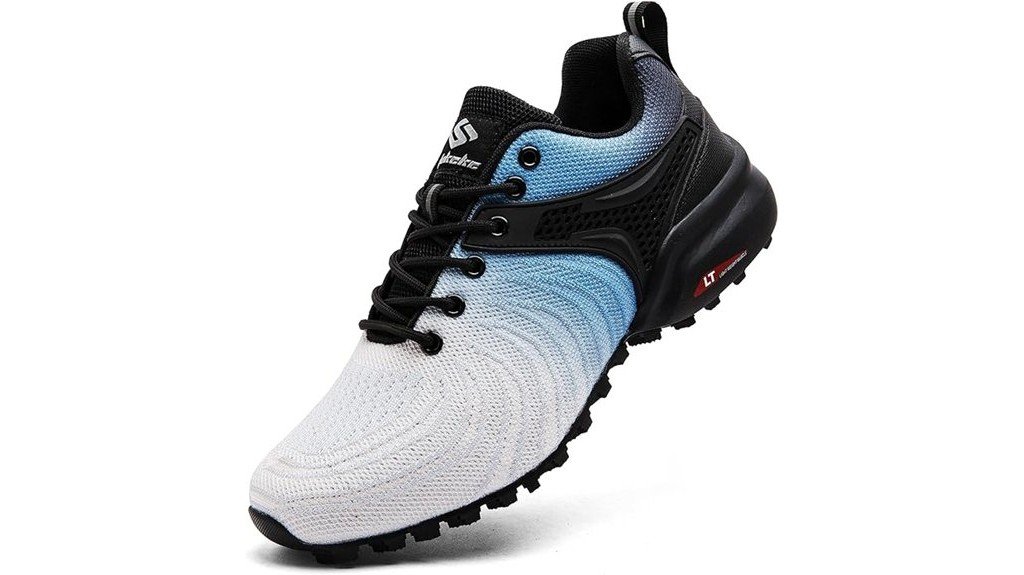
If you want shoes that are light and comfy, men’s trail running shoes and hiking sneakers are a great choice. They are good for outdoor activities like hiking, trail running, or just walking around. These shoes are made to fit well and keep your feet cool. They have breathable mesh tops that let air flow in and help keep your feet dry and fresh, even after a long day of walking.
These shoes give you good grip and stay steady on different kinds of ground. The soles are supportive and help absorb shock, so your feet feel less tired. They look modern and stylish, so you can wear them outside or even casually. They are made to last outside in different weather and terrain.
These shoes are perfect for people who like to be active. They give you support, last long, and look good. Whether you enjoy hiking, trail running, or doing cross-training, these shoes help you move comfortably and confidently.
Who should get them: Outdoor lovers, trail runners, and cross-trainers who want lightweight, breathable shoes that are strong and look nice.
Pros:
- Fit well and keep your feet cool with breathable mesh
- Grip well and stay steady on different surfaces
- Look stylish for outdoor fun or casual wear
Cons:
- Some people might find them uncomfortable after many hours
- They can feel tight for wider feet or longer wear
- Usually come in all-black, fewer color choices
ASICS Mens Gel-Contend 9 Running Shoes, 9, Midnight/Flash RED

The ASICS Mens Gel-Contend 9 Running Shoes are a good choice for men with flat feet. These shoes help keep your feet supported and comfortable during your daily walks or runs. They have a sporty look and are made with a breathable mesh top that moves with your foot. Supportive synthetic overlays keep your fit snug and secure. The shoes are light and comfortable, making them easy to wear all day.
The midsole has special GEL technology and AMPLIFOAM+ cushioning. This helps absorb shocks when you land, so your feet don’t feel the impact. It also gives you a quick rebound, so you feel energized with every step. The sole is made of tough rubber and gives good grip on different outdoor surfaces. Whether you’re out for a run or just walking around, these shoes stay supportive and comfy.
These shoes are great for men with flat feet who want a simple, reliable shoe for everyday activities. They work well for running, walking, or casual outings. They are not made for hard sports or competitions, but they give you good support for most daily activities.
Pros:
- They have Gel and AMPLIFOAM+ cushioning for shock absorption.
- Fit securely with supportive overlays and laces.
- The rubber sole gives good grip outdoors.
Cons:
- They might feel narrow if your feet are wide.
- They are best for everyday wear, not for competitive sports.
- Style options may be limited compared to other shoes.
If you want a comfortable shoe that supports flat feet and feels nice to wear, the ASICS Gel-Contend 9 could be a good match.
Factors to Consider When Choosing Running Sneakers for Men With Flat Feet
When choosing running sneakers for men with flat feet, it’s crucial to evaluate several key factors to guarantee proper support and comfort. Consider the quality of arch support and cushioning, as these help reduce fatigue and prevent injuries, especially over long distances. Additionally, features like shoe stability, a proper fit, and breathability play essential roles in maintaining overall foot health and enhancing running performance.
Arch Support Quality
Choosing the right running shoes for flat feet is important. Shoes with good arch support help keep your foot in the right position. This can stop overpronation, which is when your foot rolls inward too much. Proper support makes walking and running easier and reduces the chance of injury. Look for shoes that have a firm, sturdy arch area. Some shoes can also fit insoles you can change or add. This helps you get the right support just for your feet. Good arch support also absorbs shock. That means less tiredness and discomfort after a long run or walk. The best shoes give you steady, firm support. They help keep your arches in place and make movement healthier. Wearing shoes with proper support can stop common problems caused by flat feet.
Cushioning Adequacy
Cushioning is important when choosing running shoes for flat feet. It helps absorb shock and reduces pressure on your arches. Shoes with good cushioning, like gel or foam insoles, make running easier and more comfortable. They also help lower the chance of getting hurt. Proper cushioning keeps your feet stable and supports your arches. If a shoe has little cushioning or is too stiff, it may cause discomfort. Soft, bouncy insoles or shoes that fit orthotics well can give you extra support. When picking running shoes, look for a balance. They should be soft enough to feel comfy but also responsive to give your foot enough support. Good cushioning can make your runs more pleasant and keep your flat feet from feeling so strained.
Shoe Stability Features
Stability features in shoes help support flat feet. They keep your foot in the right position when you walk or run. Medial posts and extra arch support stop overpronation, which is common with flat feet. They guide your foot to stay aligned. A firm midsole and supportive overlays add stability. This makes your walk or run smoother and helps prevent your foot from twisting. Some shoes have a Trusstic or similar part in the outsole. This adds torsional stability, which stops your foot from twisting too much. Shoes with wider toe boxes and strong heel counters help control your foot. They stop your foot from moving around inside the shoe. Good stability shoes help keep your gait proper. They also reduce stress on your joints and lower the chance of injury. Overall, these features help your foot stay properly aligned while you walk or run.
Proper Fit and Size
Choosing the right running shoes for men with flat feet is very important. A good fit makes running comfy and keeps your feet supported. Shoes that are too tight can squeeze your feet and make running uncomfortable. Shoes that are too loose can slip and cause you to lose balance.
Look for shoes with a wider toe box. This extra space gives your broad, flat feet room to move naturally. When trying on shoes, leave about a thumb’s width of space between your longest toe and the front of the shoe. This helps stop blisters and rubbing.
It’s also good to pick shoes with laces that can be adjusted. Laces let you tighten or loosen the fit. Make sure the shoes give good arch support. This helps stop your feet from rolling inward too much when you run.
Getting the right size and fit helps your feet stay comfortable and keeps you safe. Take your time, try on different shoes, and find the pair that feels good for your flat feet.
Breathability and Comfort
Breathability and comfort are really important when picking running shoes for men with flat feet. These features can make your run more enjoyable and less tiring. Shoes made with breathable materials like mesh help air flow around your feet. This keeps your feet cool and dry, even on long runs. Good padding, like gel or foam insoles, helps reduce pressure points. This makes the shoes more comfortable and helps your flat feet feel less sensitive. Some shoes have vents or channels built into them. These help air move inside the shoe and stop your feet from sweating too much. Shoes that are lightweight move with your feet better. They help you run more naturally and reduce tiredness. Choosing shoes with good breathability and comfort helps prevent blisters and hot spots. This makes your runs more pleasant and comfortable.
Sole Durability
Sole durability is very important for men with flat feet. The soles are what keep your shoes going over time. Good rubber and a solid manufacturing process make a big difference. Strong soles can handle different kinds of ground, like pavement, grass, or trails. Flat-footed runners should look for shoes with reinforced soles. These have extra layers or overlays that help stop the sole from wearing out fast. Using tough, scratch-resistant materials also helps the soles last longer. The pattern on the bottom of the shoe matters too. Treads that go in many directions can keep your grip and stop the sole from wearing down too quick. Checking your shoes regularly for signs of wear, like thin spots or less tread, is a good idea. When you see these signs, it’s time to replace the shoes. Doing this stops injuries and keeps your feet supported. Thick cushions inside the shoe also help the sole last longer. They add extra comfort and support for flat feet.
Weight and Flexibility
Weight and flexibility are important when choosing running shoes for men with flat feet. Lighter shoes help you run longer without getting tired. They also let your foot move more naturally, which can keep your arches from getting hurt. Shoes that are flexible bend easily. This helps your foot stretch and move how it normally does. If shoes are too stiff, they can hurt your feet and make running uncomfortable. Look for shoes that are light but still bend well, especially at the front. This helps you stay stable and move smoothly on different surfaces. When shoes are both light and flexible, running feels better and you are less likely to get hurt.
Traction and Grip
Getting good grip and traction in running shoes is important, especially for men with flat feet. When you run on different surfaces, you want shoes that don’t slip. Rubber outsole patterns with grooves help grip different kinds of ground. Shoes with small bumps or textured rubber work well on uneven or slippery trails. Flex grooves in the sole help the shoe move with your foot, making it more stable on rough surfaces. The type of rubber also matters. Softer rubber grips better but wears out faster. For flat-footed runners, choose shoes that give good stability and grip. This helps keep you safe and confident, no matter where you run.
Frequently Asked Questions
How Often Should Flat-Footed Men Replace Their Running Shoes?
You should replace your running shoes every 300 to 500 miles or every 6 to 8 months, whichever comes first. Regularly check for signs of wear or discomfort to guarantee ideal support and prevent injuries.
Are Orthotic Insoles Necessary for Flat Feet While Running?
Orthotic insoles aren’t always necessary; they depend on your comfort and arch support needs. If you experience pain or discomfort while running, try using insoles to provide extra stability and shock absorption for better support.
Can Flat Feet Cause Long-Term Running Injuries?
Yes, flat feet can cause long-term running injuries if you don’t address them. Without proper support, you might develop issues like plantar fasciitis, knee pain, or shin splints, so invest in supportive footwear and consider orthotics to prevent damage.
What Workout Types Are Best for Men With Flat Feet?
You should focus on low-impact workouts like swimming, cycling, or rowing. These exercises reduce stress on your arches, helping prevent injury while improving your overall fitness. Incorporate strength training to support your flat feet too.
How Do I Prevent Plantar Fasciitis When Running?
To prevent plantar fasciitis, you should wear supportive sneakers designed for flat feet, stretch your calves regularly, avoid overtraining, and incorporate proper warm-ups and cool-downs into your routine. Maintaining good foot health helps avoid pain.